If you’re searching for chess lessons for kids in Chicago, you’re probably not just looking for an activity — you’re looking for something that actually helps your child think better, focus longer, and grow with confidence. Chess has quietly become one of the most valuable enrichment activities for children in cities like Chicago. But not all programs are the same, and knowing where to start can feel overwhelming. This guide breaks it down clearly: what age to start, what benefits to expect, how to choose between group and private lessons, and where to find the best chess classes for children in Chicago.
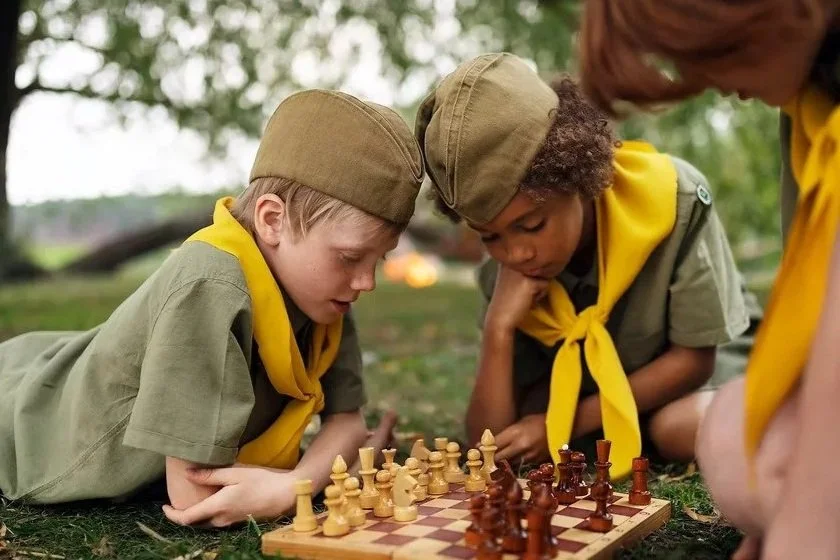
What Age Should Kids Start Learning Chess?
The short answer: earlier than most parents think. Most structured programs begin teaching kids as young as 5 or 6 years old, but the ideal starting point depends less on age and more on attention span.
Good signs your child is ready:
Can sit and focus for 20–30 minutes
Follows basic rules and instructions
Shows curiosity for puzzles or strategy games
That said, chess scales extremely well.
A beginner at age 6 and a beginner at age 10 can both progress quickly — they just learn differently.
You don’t need a prodigy, you need consistency.
Why Chess Is So Valuable for School-Age Kids
Chess isn’t just about the game. It builds cognitive habits that transfer directly into school performance.
Key benefits:
Focus and attention control: kids learn to slow down, think before acting, and avoid impulsive decisions.
Problem-solving skills: every position is a puzzle. Over time, children develop structured thinking.
Emotional resilience: losing is part of chess. Kids learn to handle setbacks and improve.
Academic support: There's a strong correlation between chess training and improved math and reading performance.
Confidence through mastery: progress in chess is visible. Kids feel it.
One Chicago parent described it best:
“After a few months of lessons, my son became noticeably more patient—not just in chess, but with homework and even daily routines.”
That kind of spillover effect is why chess programs are growing so quickly across the city.
Group vs Private Chess Lessons: What’s Better?
This is where most parents hesitate.
There’s no one-size-fits-all answer — but there is a smart way to approach it.
Group Chess Classes
Best for:
Beginners
Social learners
Kids who enjoy interactive environments
Pros:
More affordable
Encourages peer learning
Builds social confidence
Structured curriculum
Cons:
Less individualized attention
Progress depends on group pace
Group classes are usually the best starting point for younger children.
Private Chess Lessons
Best for:
Faster improvement
Competitive goals
Kids who need personalized attention
Pros:
Fully customized instruction
Faster skill development
Direct feedback
Cons:
Higher cost
More intense focus
Private lessons are ideal once a child shows deeper interest or competitive ambition.
The Smart Approach
Start with group classes.
If your child becomes engaged, add occasional private lessons to accelerate improvement.
That hybrid model works best for most families.
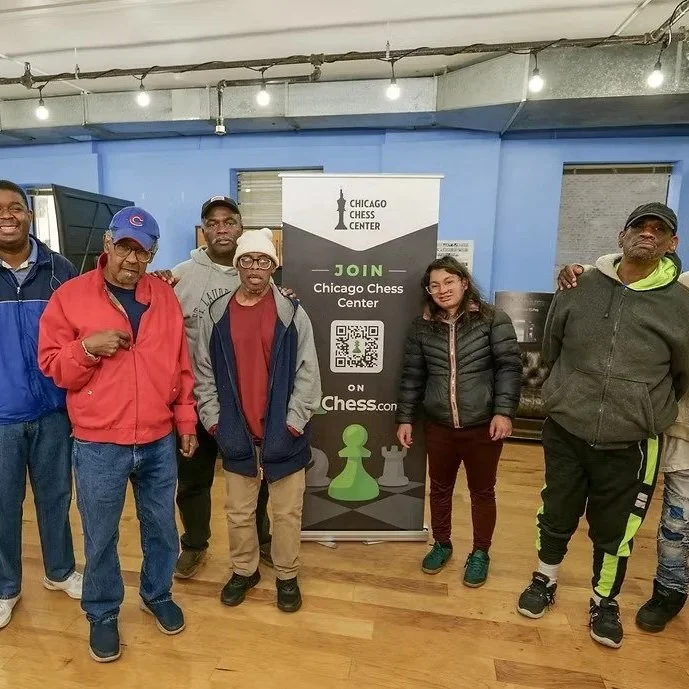
A Leading Option: Chicago Chess Center
If you’re looking to learn chess in Chicago programs for kids, the Chicago Chess Center (CCC) is one of the most structured and trusted options in the city.
Located in the Loop, CCC offers both group classes and private coaching designed specifically for young players.
What Makes CCC Different?
Structured curriculum: kids don’t just play — they follow a clear learning path.
Experienced coaches: instructors understand how to teach children, not just strong players.
Tournament pathway: students can transition from lessons into real competitions.
Balanced environment: learning + fun, without overwhelming pressure.
Envision Chess Scholarship Program
CCC also supports access through the Envision Chess scholarship, which helps provide opportunities for students who may not otherwise have access to structured chess education.
This is a meaningful part of Chicago’s growing chess ecosystem — making the game more inclusive and accessible.
Pricing Overview: What to Expect in Chicago
Prices vary depending on format and experience level, but here’s a realistic 2026 range for chess classes for children in Chicago:
Group Classes
$20–$40 per session
Often sold in monthly packages
Private Lessons
$40–$100 per hour
Depends on coach experience
Tournaments
Entry fees typically range from $0–$50. Some tournaments are free!
What Actually Matters (Beyond Price)
Don’t choose purely based on cost.
Look for:
Structured curriculum
Coach experience with kids
Positive environment
Clear progression path
A slightly better program often leads to much better long-term results.
How to Choose the Right Program for Your Child
Instead of asking “what’s the best chess school,” ask:
Does my child enjoy the sessions?
Are they learning something new each week?
Do they feel challenged—but not overwhelmed?
The right program should feel engaging, not stressful.
Parent FAQ
How often should my child take chess lessons?
1–2 times per week is ideal for steady improvement without burnout.
Do kids need prior experience to start?
No. Most beginner programs assume zero experience.
Will my child need to play tournaments?
Not immediately, tournaments are optional but recommended once your child becomes comfortable.
How long does it take to see improvement?
Most kids show noticeable progress within 2–3 months of consistent lessons.
Book a Free Intro Lesson
If you’re considering chess lessons for kids in Chicago near me, the best next step is simple:
Book a free 15-minute intro lesson.
This gives you a chance to:
See how your child responds
Understand the teaching style
From there, you can decide whether group classes, private lessons, or a mix of both makes the most sense.
Final Thoughts
Chess isn’t just another extracurricular.
Done right, it becomes a long-term tool for thinking, learning, and personal growth.
Chicago offers excellent opportunities — but the key is starting.
Not when your child is “ready”, not when your schedule is perfect, just start.
And let the process do the rest.
