
How to Join a Chess Tournament in Chicago as a Beginner

Entering your first chess tournament can feel intimidating.

You imagine serious players staring silently at boards, clocks ticking loudly, and everyone somehow knowing rules you’ve never heard of. If you’re new to competitive chess in Chicago, that uncertainty often becomes the biggest obstacle.

The reality is much simpler: beginners join tournaments every week.

If you've been wondering how to enter a chess tournament in Chicago as a beginner, this guide will walk you through everything — from understanding ratings to registering for your first event and knowing exactly what to expect on game day.

If you're ready to stop playing only online and experience real over-the-board competition, this is where to start.

Download the Free Beginner’s Tournament Checklist

Before your first event, grab the Beginner’s Tournament Checklist — a simple PDF covering everything you need to bring, what to expect, and how to prepare.

Download it free in exchange for your email.

It’ll save you from the classic first-tournament mistakes.
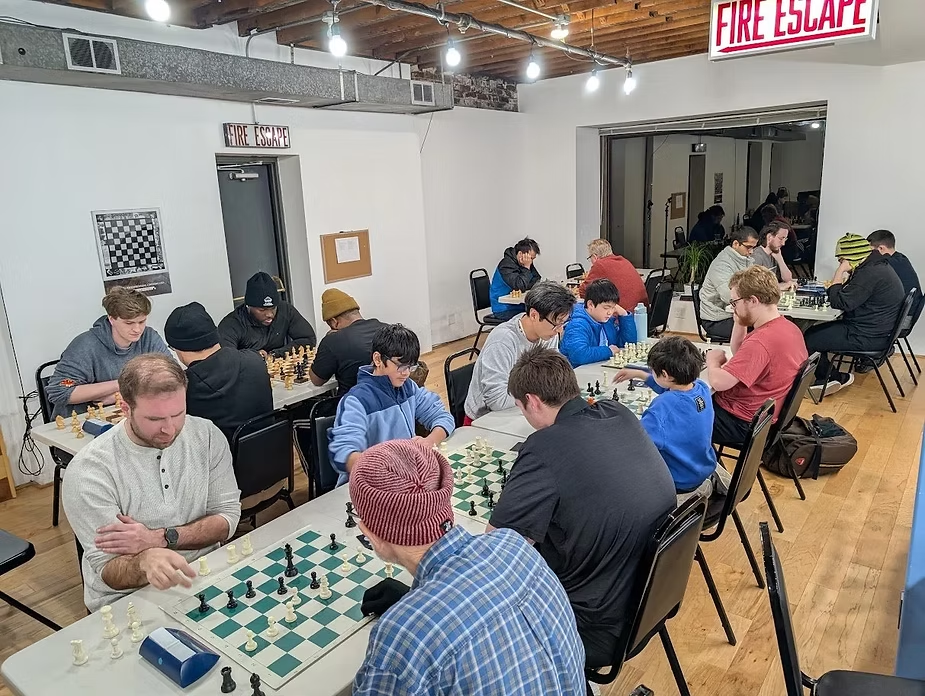
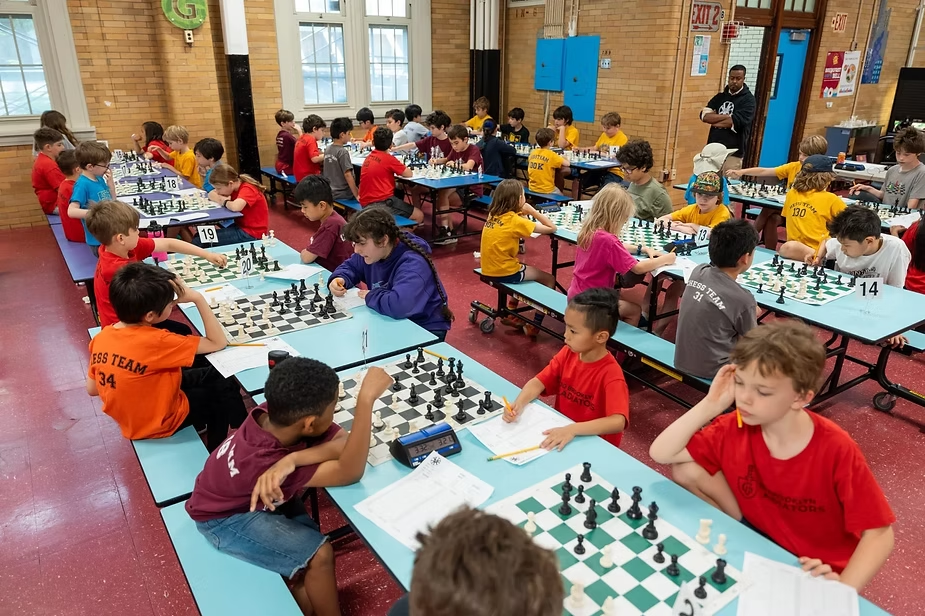
Beginner chess player competing in a Chicago chess tournament

What Is a Rated Chess Tournament?

A rated tournament is an official chess competition where your games affect your numerical chess rating.

In the United States, most official tournaments use ratings managed by the United States Chess Federation (USCF).

Your rating is essentially a measurement of your current playing strength based on your tournament performance.

If you’ve only played online on platforms like Chess.com or Lichess.org , your online rating does not automatically transfer to official over-the-board tournaments.

That’s normal.

Every tournament player starts unrated.

Why Play a Rated Tournament?

Many beginners hesitate because they think they need to be “good enough” first. That’s backwards.

The fastest way to improve is to play serious games against real opponents.

Rated tournaments help you:

  • Learn proper tournament discipline

  • Improve concentration

  • Experience longer time controls

  • Identify weaknesses in your game

  • Build an official chess rating

If you're serious about improving, entering a tournament is one of the best decisions you can make.

Do You Need a USCF Membership?

In most cases: yes.

To play in a USCF rated tournament in Chicago, you’ll usually need an active membership with the United States Chess Federation.

Membership options typically include:

  • Annual adult membership

  • Youth membership

  • Short-term options for some events

You can usually purchase this online before registering.

Some beginner-friendly events may allow on-site registration assistance, but it’s much easier to set everything up beforehand.

Do You Need a Rating to Enter?

No.

This is one of the biggest misconceptions among new players.

Most beginner sections are specifically designed for unrated players or lower-rated competitors.

Tournament pairings account for this.

You are not expected to walk in with experience.

You are expected to learn.

Where Beginners Should Register in Chicago

The best place for first-time tournament players is the Chicago Chess Center.

It’s Chicago’s primary organized chess venue and regularly hosts beginner-friendly events.

Why it’s ideal:

  • Clear registration process

  • Structured pairings

  • Tournament directors available for questions

  • Friendly environment for first-timers

  • Multiple rating sections

They also provide detailed event descriptions so you know exactly what you’re signing up for.

Be sure to review their official registration guide page before entering your first event.
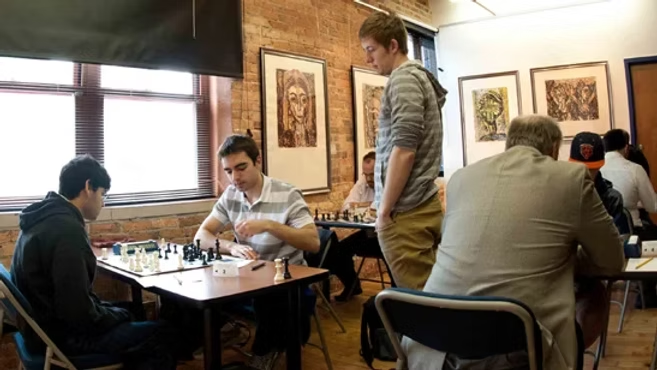
How to Register for a Chess Tournament at Chicago Chess Center

The process is straightforward.

Step 1: Create or Activate Your USCF Membership

If you don’t already have one, register online.

Keep your membership ID handy.

Step 2: Choose the Right Tournament Section

Many tournaments are divided by rating brackets such as:

  • Under 800

  • Under 1200

  • Under 1600

  • Open

If you’re unrated, beginner or lowest-rated sections are usually the correct choice.

Don’t sign up for stronger sections just to challenge yourself.

That usually turns into four painful losses and very little learning.

Start where you belong.

Step 3: Complete Registration Online

Tournament registration usually requires:

  • Full name

  • USCF ID

  • Entry fee payment

  • Section selection

Register early.

Popular beginner sections can fill quickly.

Step 4: Confirm Event Details

Double-check:

  • Start time

  • Round schedule

  • Time control

  • Venue address

  • Equipment requirements

This matters more than people think.

Showing up late can mean forfeiting your first game.

What Happens on Tournament Day?

Knowing the flow removes most first-time anxiety.

Here’s what typically happens.

Arrival and Check-In

Arrive 20–30 minutes early.

You’ll check in with the tournament staff, confirm your section, and receive pairing information.

Pairings Posted

You’ll see:

  • Your board number

  • Your opponent

  • Your color (White or Black)

Find your board and wait quietly.

The Round Begins

A tournament director will usually announce when games start.

Once the clocks begin:

  • Shake hands (if customary)

  • Start playing

  • Record your moves if required

During the Game

You’re expected to follow tournament etiquette:

  • No talking

  • No phone use

  • No outside assistance

  • Raise your hand for a tournament director if needed

If something unusual happens, don’t argue with your opponent.

Call the director.

That’s what they’re there for.

After the Game

Report your result.

Then either:

  • Analyze casually with your opponent

  • Take a break

  • Prepare for the next round

Tournament days often involve multiple rounds.

Pace yourself.
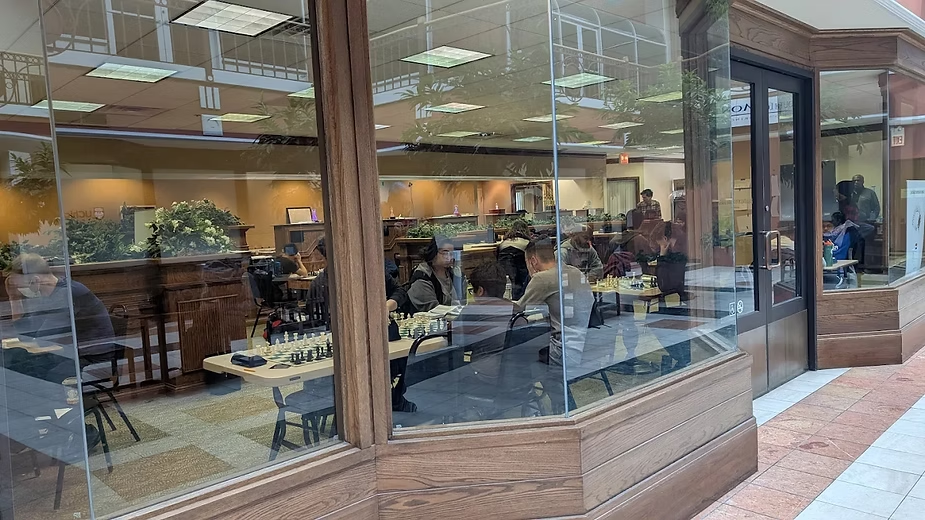
ips for Your First Tournament Game

1. Slow Down

Most beginners lose because they play tournament chess like online blitz.

Use your time.

Think deliberately.

2. Prioritize Simple, Solid Moves

This is not the moment to experiment with a flashy gambit you watched once on YouTube.

Play openings you know.

Keep it clean.

3. Bring Water and Snacks

Tournament concentration is mentally exhausting.

Energy drops faster than you expect.

4. Expect Nerves

Everyone feels nervous in their first rated game.

That’s part of the process.

Your goal isn’t perfection.

It’s experience.

5. Learn More from Losses Than Wins

Your first event may not go well.

That’s fine.

A tough loss often teaches more than an easy victory.

Common Beginner Mistakes to Avoid

Arriving late

This creates unnecessary stress.

Forgetting your membership information

Keep everything accessible.

Playing too fast

Tournament time controls exist for a reason.

Obsessing over rating

Focus on quality decisions.

The rating comes later.

Is Competitive Chess in Chicago Beginner-Friendly?

Absolutely.

Chicago has one of the strongest local chess communities in the country, but it also has excellent beginner entry points.

The organized structure at the Chicago Chess Center, combined with supportive tournament staff, makes it an ideal city to start your competitive chess journey.

Every strong player in that room had a first tournament.

Most were nervous too.

FAQ

How long does a chess tournament last?

It depends on the format.

A beginner event may last 2–4 hours, while larger multi-round tournaments can run most of the day.

Always check the event schedule before registering.

Do I need a rating to enter?

No, Many tournaments welcome unrated players and place them in beginner-friendly sections.

Final Thoughts

The hardest part of joining your first chess tournament in Chicago isn’t playing.

It’s registering.

Once you take that step, everything becomes much easier.

You’ll learn faster, think better, and gain real competitive experience that online games simply can’t replicate.

If you’ve been waiting until you feel “ready,” here’s the truth:

You become ready by playing.

Download the Beginner’s Tournament Checklist, register for your first event, and make your first move.
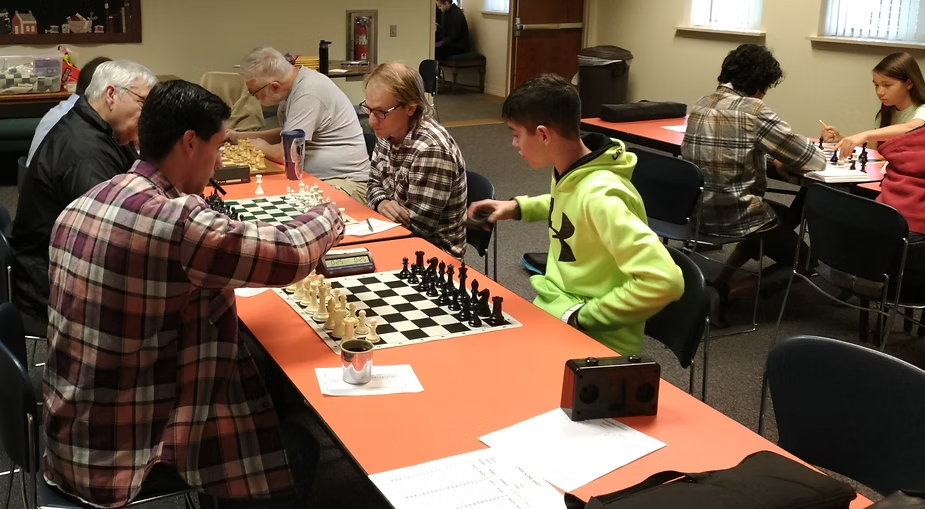
What Is a USCF Rating? A Beginner's Guide for Chicago Chess Players

If you've recently started playing chess and heard someone ask, "What's your USCF rating?", you may have wondered what those numbers actually mean.

A USCF rating is much more than a “score.” you get. It represents your playing strength, helps you compete against similarly skilled opponents, and tracks your progress over time. Whether your goal is to enter your first local tournament or eventually compete at a national level, understanding how the USCF rating system works is one of the first steps in your chess journey.

In this guide, we'll explain what a USCF rating is, how ratings are calculated, what different rating ranges mean, and how you can earn your very first official rating at Chicago Chess Center.

What Is the USCF?

The United States Chess Federation (USCF) is the official governing body for competitive chess in the United States.

Founded in 1939, the organization oversees thousands of rated tournaments every year, establishes official competition rules, certifies tournament directors, and maintains the rating database for American chess players.

When you become a USCF member and participate in a rated tournament, every official game contributes to your rating. As you continue competing, your rating becomes a more accurate reflection of your current playing strength.

Unlike online chess ratings found on platforms such as Chess.com or Lichess, a USCF rating is earned exclusively through official over-the-board tournaments.

US Chess Federation rating chart for beginner chess players

What Is a USCF Rating?

A USCF rating is a numerical estimate of your chess strength based on your results in official tournaments.

Rather than simply counting wins and losses, the rating system also considers the strength of the players you face.

For example:

  • Defeating a stronger opponent usually results in a larger rating gain.

  • Losing to a much stronger player often causes only a small decrease.

  • Losing to someone significantly lower-rated generally results in a larger rating loss.

Because of this, every game you rate matters, and your rating naturally adjusts as your playing level improves.

For beginners, the rating is best viewed as a progress tracker—not as a measure of personal worth.

How Does the USCF Rating System Work?

The mathematics behind chess ratings can become quite technical, but the basic idea is surprisingly simple.

Before each rated game, the system estimates how likely each player is to win based on their current ratings.

After the game:

  • If you perform better than expected, your rating goes up.

  • If the result matches expectations, your rating changes very little.

  • If you perform worse than expected, your rating decreases.

A Simple Example

Imagine you have a rating of 1000.

  • You defeat a player rated 1200. Since this was considered an “upset,” your rating increases noticeably.

  • You beat another 1000-rated player. Your rating increases by a smaller amount.

  • You lose to a 1700-rated player. Since the stronger player was expected to win, your rating may only decrease slightly.

Over dozens of games, your rating gradually settles around your true playing strength. This makes the system remarkably accurate over time.

USCF Rating Ranges Explained

Although every player's journey is different, the following chart provides a helpful overview of typical rating ranges.

Rating Typical Skill Level

Under 800 New beginner learning fundamentals

800–999 Beginning tournament player

1000–1199 Developing player with tactical awareness

1200–1399 Improving club player

1400–1599 Strong club competitor

1600–1799 Advanced club player

1800–1999 Expert-level competitor

2000–2199 National Expert

2200+ National Master and above

It's important to remember that improvement isn't always linear.

Many players experience periods where their rating stays nearly the same before making significant breakthroughs after improving calculation, positional understanding, or endgame technique.

Chess players competing in a USCF-rated tournament in Chicago

Is a USCF Rating Different From Chess.com or Lichess Ratings?

Yes.

One of the biggest misconceptions among beginners is assuming all chess ratings are interchangeable. They are not!

Each organization uses its own rating formula, player pool, and competitive environment.

For that reason:

  • A 1400 Chess.com rating does not necessarily equal a 1400 USCF rating.

  • Lichess ratings are calculated independently.

  • FIDE ratings are used for international competition.

  • USCF ratings are used for official tournaments within the United States.

Instead of comparing numbers across platforms, focus on improving your overall chess skills.

Your ratings on different systems will naturally reflect your progress over time.

How Do You Get Your First USCF Rating?

Getting your first official USCF rating is actually much simpler than most beginners think.

The first thing you need is an active US Chess Federation membership. Without it, your tournament games cannot be submitted for an official rating.

Once you have a membership, the next step is to enter a USCF-rated tournament. Most cities have local events that are very beginner-friendly, and many tournament organizers are used to helping first-time players through the registration process.

Then comes the important part: playing your games. Every rated game counts toward your initial rating, so there is no need to worry about getting a “perfect” result. Many strong players lost games in their first tournament. What matters is that you start building a rating history.

After the tournament ends, the organizer submits the results to the US Chess Federation. A few days later, your first official USCF rating appears in the federation’s database.

From that point on, each tournament you play helps refine your rating and gives a more accurate picture of your playing strength.

Get Your First USCF Rating at Chicago Chess Center

If you're in the Chicago area, Chicago Chess Center (CCC) provides one of the most beginner-friendly environments for earning your first official rating.

Our Beginners Open tournaments are designed specifically for new tournament players.

You'll enjoy:

  • A welcoming atmosphere for first-time competitors

  • Experienced tournament directors

  • Fair pairings against players of similar strength

  • Guidance throughout the tournament process

  • Opportunities to continue improving through lessons and future events

If you've been waiting for the right moment to start playing competitive chess, this is it.

Beginner playing first official over-the-board chess tournament

Frequently Asked Questions

What is a good first USCF rating?

There isn't a "good" starting rating. Most beginners begin somewhere between 600 and 1200 depending on previous chess experience. The important part is establishing a baseline from which you can improve.

How many games does it take to get a USCF rating?

Your initial rating is calculated after playing your first rated tournament games, though it becomes more accurate as you play additional events.

Does my USCF rating expire?

Your rating remains in the USCF database permanently. However, you'll need an active membership to participate in new rated tournaments.

Can I improve my rating quickly?

Yes. Beginners often improve rapidly during their first year by studying tactics, reviewing games, and competing regularly.

Is a USCF rating required to play chess tournaments?

Only rated tournaments require a USCF membership and rating. Many clubs also offer casual events that anyone can join.

Ready to Earn Your First USCF Rating?

The best way to understand the rating system is to experience it yourself.

Whether you've only played online or have never entered a tournament before, Chicago Chess Center makes the process simple and welcoming.

Play your first rated game at CCC by registering for the next Beginners Open.

Before signing up, be sure to read our Tournament Registration Guide to learn exactly what to expect on tournament day.

Your official chess journey starts with a single rated game—and every master once played their first one. Good Luck!!


The 2026 Chicago Chess Guide: Best Places to Play, Compete, and Connect

In 2026, Chicago has solidified its reputation as a premier destination for chess enthusiasts. The city’s chess ecosystem is a sophisticated blend of competitive rigor and casual community building. Whether you are looking for high-stakes rated tournaments in the Loop, a relaxed afternoon of "social chess" in Wicker Park, or a fast-paced blitz game at North Avenue Beach, the Windy City offers a strategic landscape for every level of player.

This guide provides the essential data for navigating the Chicago chess scene, from club memberships and tournament formats to neighborhood cafes and public venues.

The Epicenter: Chicago Chess Center at 166 W Washington

The Chicago Chess Center (CCC) is the city's primary node for organized play. Located at 166 W Washington Street, Unit 600, this non-profit is dedicated to making the game accessible to the entire community through tournaments, private lessons, classes, and a world-class chess library

Operating Hours and Location

The CCC is strategically located in the Loop, within 10 minutes of major transit hubs like Union Station Chicago and the Clark/Lake "L" stop.

  • Monday – Friday: 6:00 PM – 9:30 PM

  • Saturday: 9:30 AM – 7:00 PM

  • Sunday: 1:00 PM – 6:00 PM

2026 Membership and Fees

To participate in most rated events, players are encouraged to become members. The CCC offers a tiered structure designed for consistency and sustainability.

Tier Monthly Rate Annual Rate "Power Player" (Annual)

Adult (16-64) $19.99 $199.99 $719.99

Student $14.99 $149.99 $399.99

Senior (65+) $14.99 $149.99 $479.99

Family $24.99 $249.99 $799.99

Note: Standard members receive a $10 discount on weekend tournaments. "Power Player" status grants free entry to all eligible CCC tournaments and events for one year.

The Weekly Tournament Rhythm

For those looking to play chess in Chicago consistently, the CCC follows a predictable weekly calendar:

  1. Monday Slow: A single classical round (G/60;+30) per week starting at 6:15 PM.

  2. Wednesday Quads: Three rounds of dual-rated play (G/25;d5) starting at 6:30 PM.

  3. Friday Blitz: Five double-rounds of G/3;+2 starting at 6:30 PM.

  4. Saturday Swiss: Competitive multi-round events (e.g., Saturday Swiss #74) from 9:30 AM to 7:00 PM.

  5. Sunday Casual + Quads: A mix of unrated social play and rated quads from 1:00 PM to 6:00 PM.

Get notified when new tournaments open. Join our free weekly email.

Chicago chess tournament with players competing in the Loop

Mindful Masters Chess Academy (MM Chess)

Located in Chicago, Mindful Masters Chess Academy is a modern chess coaching program founded by National Master Misha Vilenchuk. While much of its instruction is delivered online, the academy serves students throughout the Chicago area and partners with local schools and chess organizations.

Atmosphere:
Structured, goal-oriented, and focused on long-term improvement. Students are paired with master-titled coaches and follow a personalized training plan designed to build tournament-ready skills.

Methodology:
MM Chess uses the internationally recognized Chess Steps Method, a progressive curriculum that guides students from beginner level through approximately 1200 Elo. Lessons emphasize tactics, calculation, strategy, endgames, and regular feedback rather than casual play alone.

Events:
Students receive access to online tournaments, tournament preparation, game analysis sessions, and opportunities to compete in local Chicago-area events through the academy’s network.


Pricing:

  • Trial lesson: $10

  • First month introductory package: $99

  • Weekly coaching plan (4 lessons): $170/month

  • Bi-weekly coaching plan (8 lessons): $280/month

  • Extended coaching package (8 lessons over two months): $300

  • Lesson credits do not expire, and there is no automatic renewal. 

Hours:
Flexible scheduling based on student availability. Lessons are arranged directly with coaches and are offered year-round.

 Irving Park: Chess Club Coffee

Located at 3144 W Irving Park Rd, Chess Club Coffee is a dedicated space that blends a retro atmosphere with competitive opportunities.

  • Atmosphere: Retro theme, spacious tables, and the "strongest cafe Wi-Fi" in the city, making it a favorite for remote workers and players alike.

  • Events: Hosts the "Early Bird Friday" Swiss (7:00 AM – 8:30 AM) and "Swiss Sundays" (1:00 PM – 2:30 PM).

  • Hours: Thursday - Monday 7:00 AM – 3:00 PM.

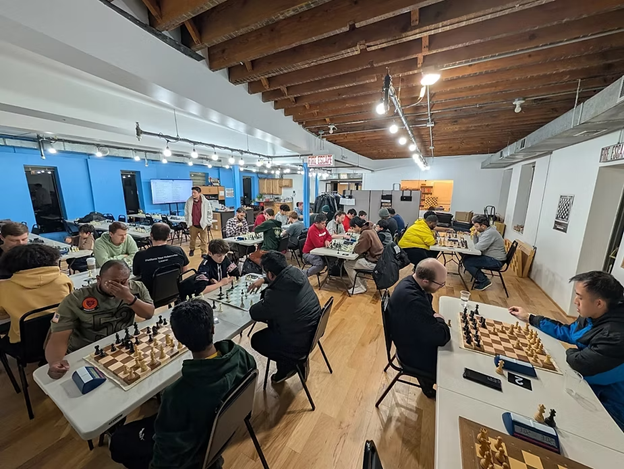
Interior of Chicago Chess Center hosting rated chess tournament

Public Venues: Libraries and Parks

Chicago’s public infrastructure provides some of the most iconic and accessible places to play chess in Chicago.

Harold Washington Library Center

The city’s central library (400 S State St) is a hub for high-level scholastic events. Its ninth-floor Winter Garden hosts the annual MVP Chess Tournament for CPS students, featuring five-round Swiss formats with stunning city views.

Library Branch Signature Event Schedule

Edgewater Chess on the Edge Bi-weekly Thursday, 5:30 PM

Blackstone Chess Club Thursday, 4:00 PM – 5:30 PM

Sulzer Regional Sulzer Chess Meetup Sunday, 1:30 PM – 3:30 PM

Chicago Bee Come Play Chess Tuesday, 2:00 PM – 3:00 PM

North Avenue Beach Chess Pavilion

Located at 1600 N. Jean-Baptiste Pointe DuSable Lake Shore Drive, this modernist pavilion is Chicago’s most famous outdoor chess spot.

  • Atmosphere: High-intensity blitz and trash-talking.

  • Best Times: The beach season runs from Memorial Day to Labor Day, with tables active from 6 AM to 11 PM.

  • Etiquette: Bring your own equipment, though many regulars have sets. Expect fast games and a loud social environment.

Professional Foundations and Scholastic Chess

The growth of Chicago chess is fueled by several key organizations that focus on education and elite competition.

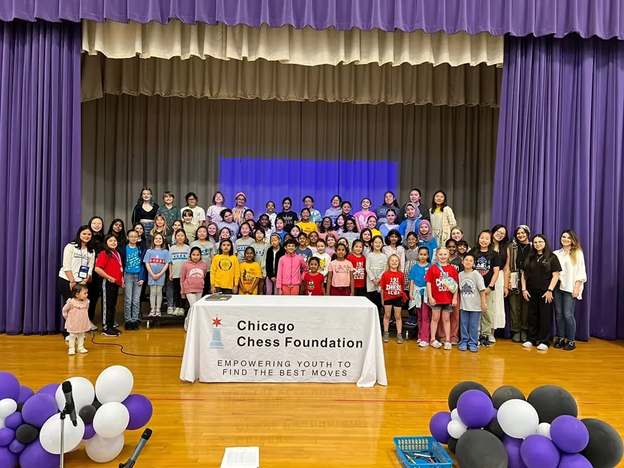
  • Chicago Chess Foundation (CCF): Focuses on the Chicago Public School pipeline, offering free tuition and events like the All-Girls Tournament at Bateman Elementary.

  • Renaissance Knights Chess Foundation: A non-profit that organizes major regional events, including the Illinois Senior State Championship and the Sevan Memorial.

  • Elite Chess: Based in the suburbs but highly active in the city, organizing the Intercontinental Scholastic Team Championship.

Interior of Chicago Chess Center hosting rated chess tournament

Tournament vs. Casual Play: What to Expect

Before heading out, identify the type of play you are seeking:

  1. Rated Play: Requires a United States Chess Federation (USCF) membership (Adult 19-24: $27; Student: $17). These games are recorded and impact your national standing. The CCC and regional championships are the primary venues.

  2. Unrated/Casual: These games are purely for social or instructional purposes. Venues like the Map Room, neighborhood libraries, or "Pizza Sundays" at the CCC are perfect for this.

Logistical Tips for 2026

  • Weather: Chicago weather is volatile. Spring (March-May) can swing 40 degrees in a week, affecting outdoor play at North Avenue Beach.

  • Large Events: Major festivals like Lollapalooza (July 30-Aug 2, 2026) can cause hotel rates to soar. Book 4-6 months in advance if traveling for a tournament.

Get notified when new tournaments open. Join our free weekly email.

Chicago Chess Directory & Map

Map Pin Locations

  • Chicago Chess Center: 166 W Washington St, Unit 600

  • Chess Club Coffee: 3144 W Irving Park Rd

  • North Avenue Pavilion: 1600 N Lake Shore Dr

  • Harold Washington Library: 400 S State St

Frequently Asked Questions

Where is the best place to play chess in Chicago as a beginner?

The Chicago Chess Center hosts a "Beginners Open" every Saturday (e.g., Beginners Open #132), which is specifically designed for unrated or low-rated players to learn tournament etiquette in a supportive environment. If you'd like extra guidance before your first tournament, meet our experienced chess instructors and choose a coach that matches your playing style.

Are there any chess clubs in the River North or Wicker Park areas?

While River North lacks a dedicated club building, the neighborhood is full of "chess-friendly" bars like Storyville. In Wicker Park, the Map Room is the most established spot for finding a game.

Do I need to bring my own chess set to the Chicago Chess Center?

No. The CCC provides high-quality tournament sets and digital clocks for all participants in their events at 166 W Washington.

Conclusion

Chicago's chess scene continues to thrive because it bridges the gap between the intellectual elite and the casual urban player. Whether you're visiting for a weekend or are a lifelong resident, the squares are waiting.

Chess Lessons for Kids in Chicago — What Parents Need to Know (2026 Guide)

If you’re searching for chess lessons for kids in Chicago, you’re probably not just looking for an activity — you’re looking for something that actually helps your child think better, focus longer, and grow with confidence. Chess has quietly become one of the most valuable enrichment activities for children in cities like Chicago. But not all programs are the same, and knowing where to start can feel overwhelming. This guide breaks it down clearly: what age to start, what benefits to expect, how to choose between group and private lessons, and where to find the best chess classes for children in Chicago.

What Age Should Kids Start Learning Chess?

The short answer: earlier than most parents think. Most structured programs begin teaching kids as young as 5 or 6 years old, but the ideal starting point depends less on age and more on attention span.

Good signs your child is ready:

  • Can sit and focus for 20–30 minutes

  • Follows basic rules and instructions

  • Shows curiosity for puzzles or strategy games

That said, chess scales extremely well.

A beginner at age 6 and a beginner at age 10 can both progress quickly — they just learn differently.

You don’t need a prodigy, you need consistency.

Why Chess Is So Valuable for School-Age Kids

Chess isn’t just about the game. It builds cognitive habits that transfer directly into school performance.

Key benefits:

  1. Focus and attention control: kids learn to slow down, think before acting, and avoid impulsive decisions.

  2. Problem-solving skills: every position is a puzzle. Over time, children develop structured thinking.

  3. Emotional resilience: losing is part of chess. Kids learn to handle setbacks and improve.

  4. Academic support: There's a strong correlation between chess training and improved math and reading performance.

  5. Confidence through mastery: progress in chess is visible. Kids feel it.

One Chicago parent described it best:

“After a few months of lessons, my son became noticeably more patient—not just in chess, but with homework and even daily routines.”

That kind of spillover effect is why chess programs are growing so quickly across the city.

Group vs Private Chess Lessons: What’s Better?

This is where most parents hesitate.

There’s no one-size-fits-all answer — but there is a smart way to approach it.

Group Chess Classes

Best for:

  • Beginners

  • Social learners

  • Kids who enjoy interactive environments

Pros:

  • More affordable

  • Encourages peer learning

  • Builds social confidence

  • Structured curriculum

Cons:

  • Less individualized attention

  • Progress depends on group pace

  • Group classes are usually the best starting point for younger children.

Private Chess Lessons

Best for:

  • Faster improvement

  • Competitive goals

  • Kids who need personalized attention

Pros:

  • Fully customized instruction

  • Faster skill development

  • Direct feedback

Cons:

  • Higher cost

  • More intense focus

Private lessons are ideal once a child shows deeper interest or competitive ambition.

The Smart Approach

Start with group classes.

If your child becomes engaged, add occasional private lessons to accelerate improvement.

That hybrid model works best for most families.

A Leading Option: Chicago Chess Center

If you’re looking to learn chess in Chicago programs for kids, the Chicago Chess Center (CCC) is one of the most structured and trusted options in the city.

Located in the Loop, CCC offers both group classes and private coaching designed specifically for young players.

What Makes CCC Different?

Structured curriculum: kids don’t just play — they follow a clear learning path.

Experienced coaches: instructors understand how to teach children, not just strong players.

Tournament pathway: students can transition from lessons into real competitions.

Balanced environment: learning + fun, without overwhelming pressure.

Envision Chess Scholarship Program

CCC also supports access through the Envision Chess scholarship, which helps provide opportunities for students who may not otherwise have access to structured chess education.

This is a meaningful part of Chicago’s growing chess ecosystem — making the game more inclusive and accessible.

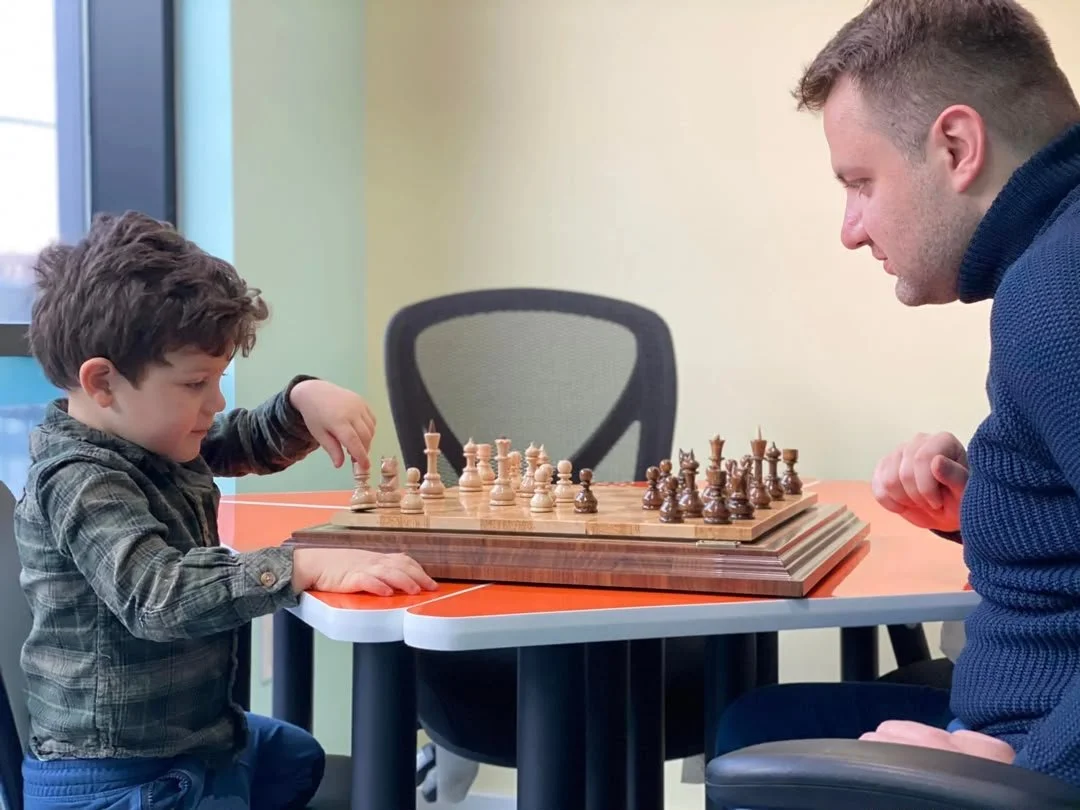
Chess coach teaching young students in a Chicago classroom

Pricing Overview: What to Expect in Chicago

Prices vary depending on format and experience level, but here’s a realistic 2026 range for chess classes for children in Chicago:

Group Classes

  • $20–$40 per session

  • Often sold in monthly packages

Private Lessons

  • $40–$100 per hour

  • Depends on coach experience

Tournaments

  • Entry fees typically range from $0–$50. Some tournaments are free!

What Actually Matters (Beyond Price)

Don’t choose purely based on cost.

Look for:

  • Structured curriculum

  • Coach experience with kids

  • Positive environment

  • Clear progression path

A slightly better program often leads to much better long-term results.

How to Choose the Right Program for Your Child

Instead of asking “what’s the best chess school,” ask:

  • Does my child enjoy the sessions?

  • Are they learning something new each week?

  • Do they feel challenged—but not overwhelmed?

The right program should feel engaging, not stressful.

Parent FAQ

How often should my child take chess lessons?

1–2 times per week is ideal for steady improvement without burnout.

Do kids need prior experience to start?

No. Most beginner programs assume zero experience.

Will my child need to play tournaments?

Not immediately, tournaments are optional but recommended once your child becomes comfortable.

How long does it take to see improvement?

Most kids show noticeable progress within 2–3 months of consistent lessons.

Book a Free Intro Lesson

If you’re considering chess lessons for kids in Chicago near me, the best next step is simple:

Book a free 15-minute intro lesson.

This gives you a chance to:

  • Meet a coach

  • See how your child responds

  • Understand the teaching style

From there, you can decide whether group classes, private lessons, or a mix of both makes the most sense.

Final Thoughts

Chess isn’t just another extracurricular.

Done right, it becomes a long-term tool for thinking, learning, and personal growth.

Chicago offers excellent opportunities — but the key is starting.

Not when your child is “ready”, not when your schedule is perfect, just start.

And let the process do the rest.