
Entering your first chess tournament can feel intimidating.
You imagine serious players staring silently at boards, clocks ticking loudly, and everyone somehow knowing rules you’ve never heard of. If you’re new to competitive chess in Chicago, that uncertainty often becomes the biggest obstacle.
The reality is much simpler: beginners join tournaments every week.
If you've been wondering how to enter a chess tournament in Chicago as a beginner, this guide will walk you through everything — from understanding ratings to registering for your first event and knowing exactly what to expect on game day.
If you're ready to stop playing only online and experience real over-the-board competition, this is where to start.
Download the Free Beginner’s Tournament Checklist
Before your first event, grab the Beginner’s Tournament Checklist — a simple PDF covering everything you need to bring, what to expect, and how to prepare.
Download it free in exchange for your email.
It’ll save you from the classic first-tournament mistakes.
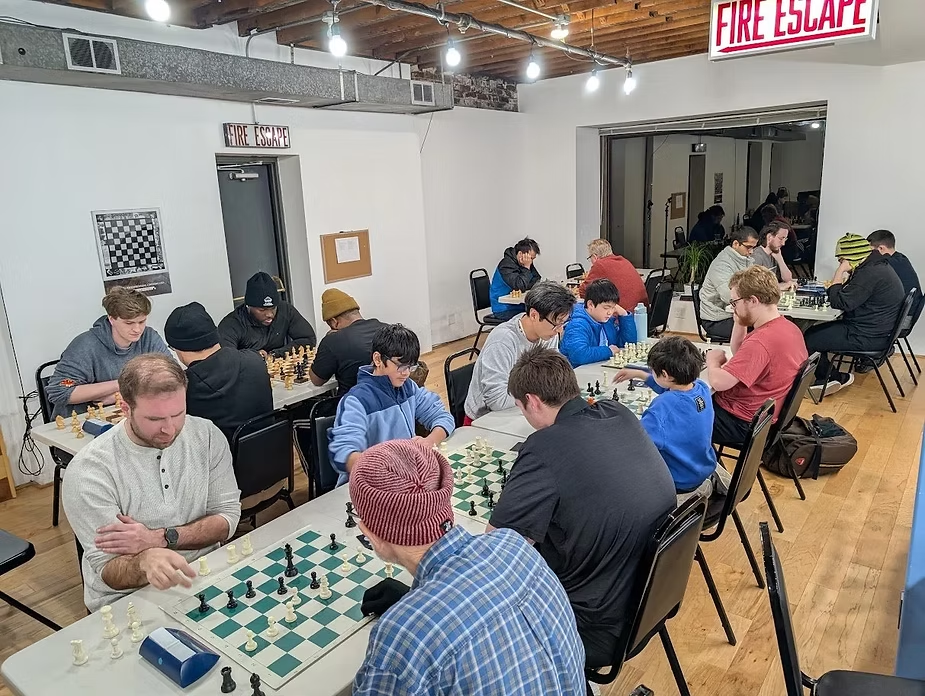
What Is a Rated Chess Tournament?
A rated tournament is an official chess competition where your games affect your numerical chess rating.
In the United States, most official tournaments use ratings managed by the United States Chess Federation (USCF).
Your rating is essentially a measurement of your current playing strength based on your tournament performance.
If you’ve only played online on platforms like Chess.com or Lichess.org , your online rating does not automatically transfer to official over-the-board tournaments.
That’s normal.
Every tournament player starts unrated.
Why Play a Rated Tournament?
Many beginners hesitate because they think they need to be “good enough” first. That’s backwards.
The fastest way to improve is to play serious games against real opponents.
Rated tournaments help you:
Learn proper tournament discipline
Improve concentration
Experience longer time controls
Identify weaknesses in your game
Build an official chess rating
If you're serious about improving, entering a tournament is one of the best decisions you can make.
Do You Need a USCF Membership?
In most cases: yes.
To play in a USCF rated tournament in Chicago, you’ll usually need an active membership with the United States Chess Federation.
Membership options typically include:
Annual adult membership
Youth membership
Short-term options for some events
You can usually purchase this online before registering.
Some beginner-friendly events may allow on-site registration assistance, but it’s much easier to set everything up beforehand.
Do You Need a Rating to Enter?
No.
This is one of the biggest misconceptions among new players.
Most beginner sections are specifically designed for unrated players or lower-rated competitors.
Tournament pairings account for this.
You are not expected to walk in with experience.
You are expected to learn.
Where Beginners Should Register in Chicago
The best place for first-time tournament players is the Chicago Chess Center.
It’s Chicago’s primary organized chess venue and regularly hosts beginner-friendly events.
Why it’s ideal:
Clear registration process
Structured pairings
Tournament directors available for questions
Friendly environment for first-timers
Multiple rating sections
They also provide detailed event descriptions so you know exactly what you’re signing up for.
Be sure to review their official registration guide page before entering your first event.
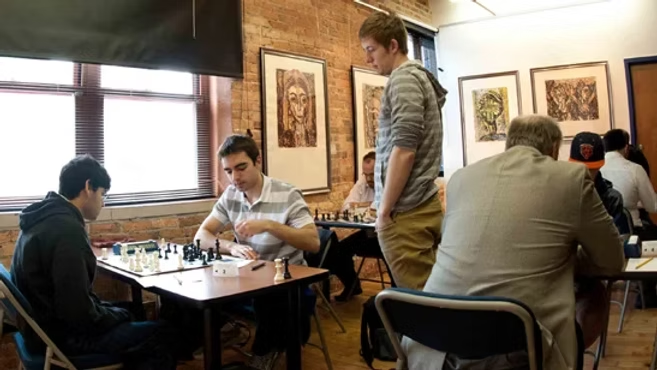
How to Register for a Chess Tournament at Chicago Chess Center
The process is straightforward.
Step 1: Create or Activate Your USCF Membership
If you don’t already have one, register online.
Keep your membership ID handy.
Step 2: Choose the Right Tournament Section
Many tournaments are divided by rating brackets such as:
Under 800
Under 1200
Under 1600
Open
If you’re unrated, beginner or lowest-rated sections are usually the correct choice.
Don’t sign up for stronger sections just to challenge yourself.
That usually turns into four painful losses and very little learning.
Start where you belong.
Step 3: Complete Registration Online
Tournament registration usually requires:
Full name
USCF ID
Entry fee payment
Section selection
Register early.
Popular beginner sections can fill quickly.
Step 4: Confirm Event Details
Double-check:
Start time
Round schedule
Time control
Venue address
Equipment requirements
This matters more than people think.
Showing up late can mean forfeiting your first game.
What Happens on Tournament Day?
Knowing the flow removes most first-time anxiety.
Here’s what typically happens.
Arrival and Check-In
Arrive 20–30 minutes early.
You’ll check in with the tournament staff, confirm your section, and receive pairing information.
Pairings Posted
You’ll see:
Your board number
Your opponent
Your color (White or Black)
Find your board and wait quietly.
The Round Begins
A tournament director will usually announce when games start.
Once the clocks begin:
Shake hands (if customary)
Start playing
Record your moves if required
During the Game
You’re expected to follow tournament etiquette:
No talking
No phone use
No outside assistance
Raise your hand for a tournament director if needed
If something unusual happens, don’t argue with your opponent.
Call the director.
That’s what they’re there for.
After the Game
Report your result.
Then either:
Analyze casually with your opponent
Take a break
Prepare for the next round
Tournament days often involve multiple rounds.
Pace yourself.
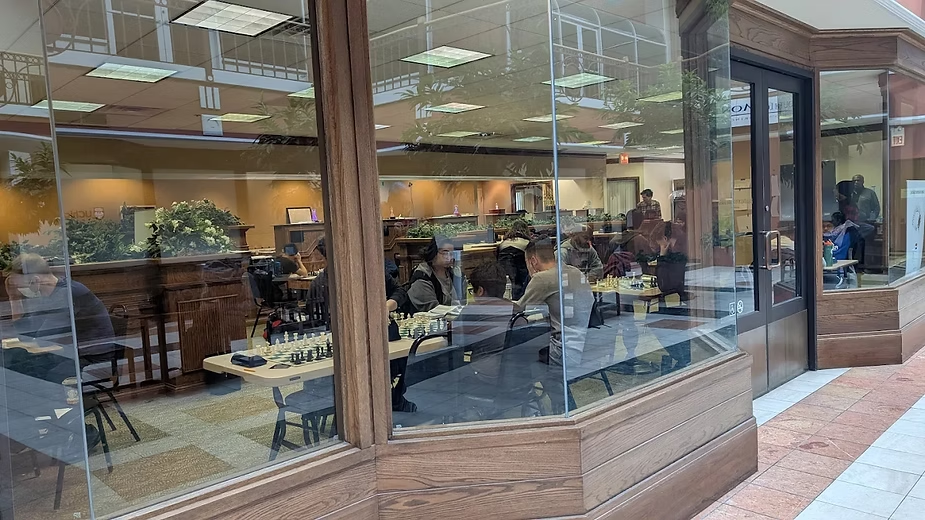
ips for Your First Tournament Game
1. Slow Down
Most beginners lose because they play tournament chess like online blitz.
Use your time.
Think deliberately.
2. Prioritize Simple, Solid Moves
This is not the moment to experiment with a flashy gambit you watched once on YouTube.
Play openings you know.
Keep it clean.
3. Bring Water and Snacks
Tournament concentration is mentally exhausting.
Energy drops faster than you expect.
4. Expect Nerves
Everyone feels nervous in their first rated game.
That’s part of the process.
Your goal isn’t perfection.
It’s experience.
5. Learn More from Losses Than Wins
Your first event may not go well.
That’s fine.
A tough loss often teaches more than an easy victory.
Common Beginner Mistakes to Avoid
Arriving late
This creates unnecessary stress.
Forgetting your membership information
Keep everything accessible.
Playing too fast
Tournament time controls exist for a reason.
Obsessing over rating
Focus on quality decisions.
The rating comes later.
Is Competitive Chess in Chicago Beginner-Friendly?
Absolutely.
Chicago has one of the strongest local chess communities in the country, but it also has excellent beginner entry points.
The organized structure at the Chicago Chess Center, combined with supportive tournament staff, makes it an ideal city to start your competitive chess journey.
Every strong player in that room had a first tournament.
Most were nervous too.
FAQ
How long does a chess tournament last?
It depends on the format.
A beginner event may last 2–4 hours, while larger multi-round tournaments can run most of the day.
Always check the event schedule before registering.
Do I need a rating to enter?
No, Many tournaments welcome unrated players and place them in beginner-friendly sections.
Final Thoughts
The hardest part of joining your first chess tournament in Chicago isn’t playing.
It’s registering.
Once you take that step, everything becomes much easier.
You’ll learn faster, think better, and gain real competitive experience that online games simply can’t replicate.
If you’ve been waiting until you feel “ready,” here’s the truth:
You become ready by playing.
Download the Beginner’s Tournament Checklist, register for your first event, and make your first move.
